Understanding Window Tinting Options
Window tinting is an excellent investment for vehicle owners looking to enhance privacy, aesthetics, and protection from the sun. Whether you’re searching for window tint near me or exploring various options, understanding the different types and benefits is crucial to making an informed choice.
Types of Window Tint
There are several types of window tint, each catering to different needs and preferences:
- Dyed Window Tint: This type features a layer of dye that absorbs heat. It’s often the most affordable option, primarily used for aesthetic purposes and enhancing privacy.
- Metalized Window Tint: Incorporating metallic particles, this tint reflects heat and UV rays, providing better durability and performance compared to dyed tints.
- Carbon Window Tint: Known for its excellent heat-blocking capabilities, carbon tint doesn’t fade over time and offers a sleek appearance.
- Ceramic Window Tint: The most advanced option, ceramic tint offers superior heat rejection, UV protection, and glare reduction while remaining clear.
Benefits of Professional Installation
While DIY kits are available, professional installation of window tint comes with numerous advantages:
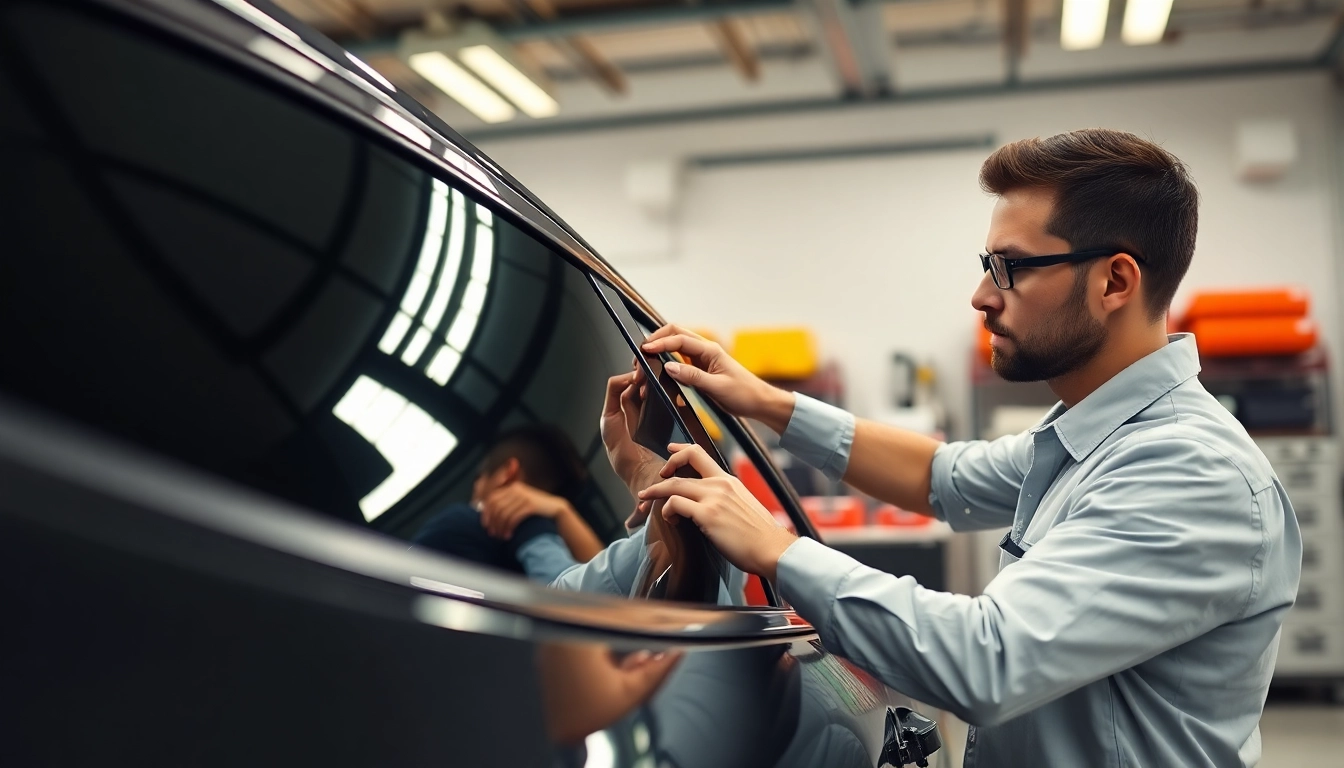
- Expertise: Professionals understand the nuances of applying tint, ensuring a flawless finish without bubbles or imperfections.
- Warranty Coverage: Many professional installations come with warranties, providing peace of mind for any potential issues.
- Adherence to Local Laws: Professionals are knowledgeable about local regulations, ensuring your tint complies with legal standards.
Understanding Legal Regulations
Each state has specific laws governing window tinting. These laws often dictate the allowable level of darkness and reflection. It’s vital to familiarize yourself with these regulations to avoid fines or the need to remove non-compliant tint. Always consult with professionals who are well-versed in your local laws to ensure compliance.
How to Choose the Right Window Tint Near Me
Selecting the right window tint involves more than just finding a local provider. Here are key considerations to help you make the best choice:
Evaluating Tint Quality
Investing in high-quality window tint pays off in the long run. Look for tints that provide strong heat rejection, UV protection, and durability. Many brands offer certifications and ratings, which can help rate their performance.
Assessing Local Installation Expertise
Research local providers for their experience and reputation. Read reviews and testimonials to gauge customer satisfaction. A skilled installer will do more than simply apply tint; they will ensure it lasts and looks great.
Price versus Value Considerations
While it's tempting to choose the cheapest option, consider the long-term value. Investing in a quality tint and professional installation might be more expensive upfront but can save you money on replacement and maintenance costs down the line.
Installation Process for Window Tint
The installation of window tint requires precision and care. Here’s an overview of what to expect during the professional application process:
Steps in Professional Application
The following steps are commonly followed during a professional installation:
- Preparation: The windows are cleaned thoroughly to remove debris and ensure optimal adhesion.
- Cutting the Tint: The tint is accurately measured and cut to fit each window.
- Application: The tint film is applied carefully, ensuring no bubbles or wrinkles occur.
- Trimming: Excess film is trimmed for a snug fit along the edges.
- Drying: The installation is finished, and the tints are left to cure, usually for a specified period.
Common Mistakes to Avoid
Even professionals can make mistakes. Here are common pitfalls to watch for:
- Not cleaning windows thoroughly before installation.
- Improper cutting leading to gaps or misalignment.
- Failing to account for temperature changes that can affect drying times.
Aftercare Tips for Longevity
Once the tint is installed, proper care is essential for longevity:
- Wait at least 48 hours before rolling down windows to allow the tint to set.
- Use a soft cloth when cleaning to avoid scratching the film.
- Avoid harsh chemicals that can damage the tint.
Cost Factors Influencing Window Tinting
The cost of window tinting can vary significantly due to several factors. Understanding these can help you budget accurately:
Material Quality and Types
The quality of the tint material will greatly influence the cost. Premium tints, like ceramic, tend to be more expensive but offer superior performance and longevity.
Size and Complexity of Vehicle
Different vehicle models require varying amounts of material and complexity of installation. Larger SUVs and trucks generally cost more to tint than smaller cars due to increased labor and material needs.
Market Variability in Pricing
Prices for window tinting can vary dramatically by region and market demand. Always compare multiple quotes to ensure competitive pricing.
Frequently Asked Questions about Window Tint Near Me
What are the benefits of window tinting?
Window tinting enhances privacy, reduces UV exposure, improves comfort by blocking heat, and protects your interior from fading.
How long does window tint last?
Quality window tint can last from 5 to 15 years, depending on the material used, installation quality, and maintenance.
Is it worth hiring a professional for installation?
Yes, professionals ensure a high-quality, bubble-free application and adhere to local regulations, making it worth the investment.
What are common legal limits for window tint?
Legal limits vary by state, often regulating how dark or reflective window tint can be. Check local laws for specifics.
Can window tint improve energy efficiency?
Yes, quality window tint reduces heat gain and loss, leading to lower energy bills for heating and cooling your vehicle or building.