Understanding Window Tint
What is Window Tint?
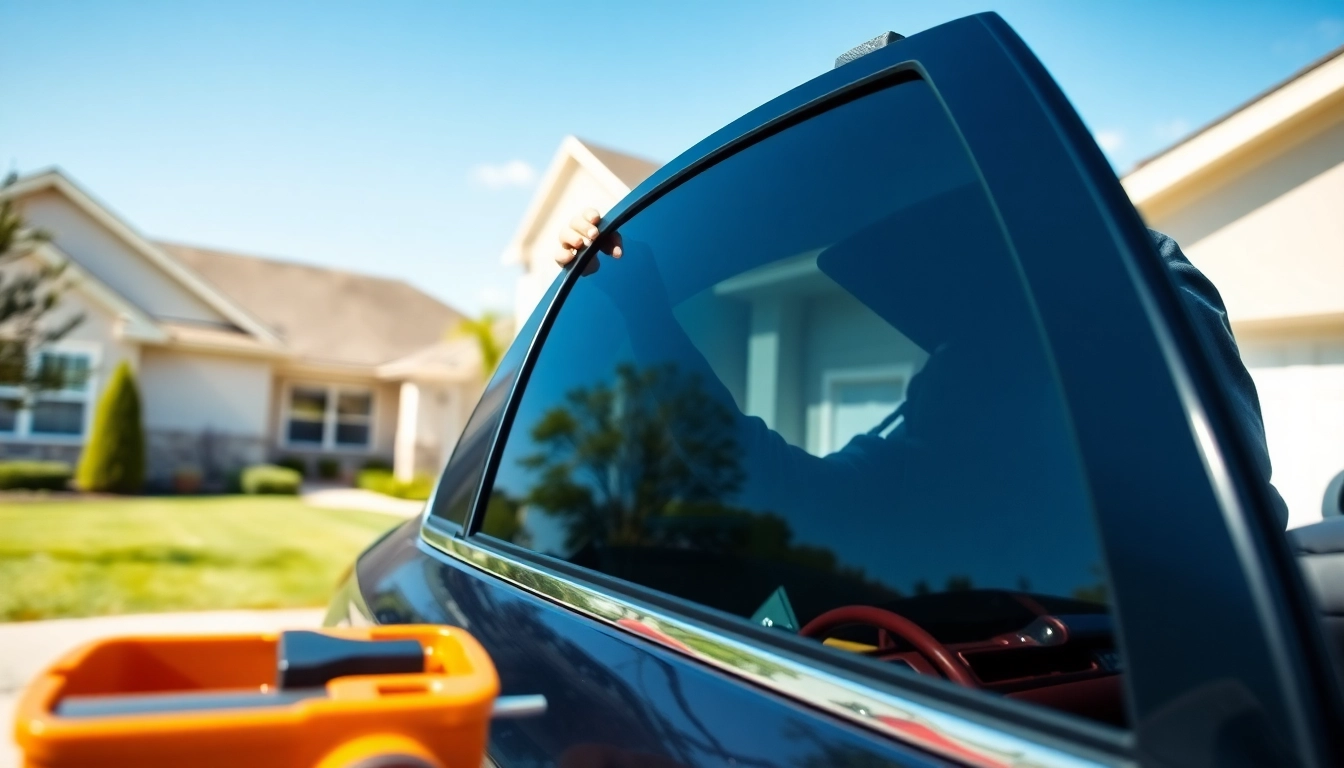
Window tint refers to a thin film, usually made of polyester, that's applied to the interior of glass surfaces, such as car windows or residential panes. This modification offers visual enhancements and practical benefits, ranging from privacy to UV protection. The installation of window tinting involves adhering the film to the glass using a specific adhesive, ensuring it bonds properly and is aesthetically pleasing.
Benefits of Window Tint
Window tint provides a myriad of advantages. First and foremost, it significantly reduces glare from the sun, enhancing visibility while driving or relaxing indoors. Furthermore, it blocks up to 99% of harmful UV rays, protecting both the skin and interior furnishings from fading. Additionally, window tint enhances privacy, obstructing views into your vehicle or home, thus promoting security. Many types of window films also provide additional heat rejection, leading to a cooler environment and improved energy efficiency.
Types of Window Tint Available
There are various types of window tint available that cater to different needs. These include:
- Dye Films: These are affordable and primarily designed for aesthetic appeals, such as enhancing the look of your vehicle.
- Metalized Films: Offering durability and heat reflection, these films contain tiny metallic particles that reflect sunlight, providing good heat rejection along with strength.
- Carbon Films: These films block UV rays and heat without using metallic particles, avoiding interference with electronic devices.
- Ceramic Films: The premium option, ceramic films provide high heat rejection and UV protection without affecting visibility.
How to Choose Window Tint Near Me
Factors to Consider When Choosing
When seeking window tint near me, several factors warrant consideration. Initially, assess the desired outcome; whether heat reduction, UV protection, or privacy is your primary focus will guide your selection. Next, evaluate the tint’s legality in your locality, as some regions have strict regulations concerning tint darkness and reflectivity. Finally, consider the film's quality; investing in reputable brands can enhance longevity and performance.
Understanding Local Regulations
Before applying window tint, understanding local regulations is paramount. Laws govern how dark window tint can be in different locales, with specific restrictions in place to ensure safety and visibility. Research your state’s tint laws, including allowable visible light transmission (VLT) percentages, which dictate how much light can pass through the film and glass. Failure to comply with these regulations can result in fines or the requirement to remove the tint.
Evaluating Tint Options
It's vital to evaluate the various tint options available. Start by researching local providers of window tint near me, and read customer reviews. Look for films that meet industry certifications and come with warranties. Consulting with professionals can also provide insights into the most suitable film based on your vehicle or property, and desired outcomes.
Installation Process of Window Tint Near Me
Step-by-Step Installation Guide
The window tint installation process typically involves several steps:
- Preparation: Clean the windows meticulously to remove dirt, grime, or any residues that could affect the film's adhesion.
- Measuring and Cutting: Use the measurements of each window to cut the film precisely, ensuring it fits perfectly without excess material.
- Application: Spray the glass with a solution to help position the film. Carefully apply the film while avoiding air bubbles.
- Smoothing: Use a squeegee to press out excess solution and air bubbles gently.
- Trimming: Trim any excess film around the edges of the window for a neat finish.
- Drying: Allow the tint to dry completely, which may take a few days for optimal results.
Common Challenges in Installation
Some common challenges during installation include air bubbles, dust particles trapped under the film, and improper alignment. To mitigate these issues, ensure thorough cleaning of the glass and work in a dust-free environment. Utilizing a professional installer can also address these challenges effectively and ensure that the film adheres properly without defects.
Maintaining Quality After Installation
To maintain the quality of installed window tint, avoid rolling down the windows for at least 48 hours after installation to allow proper adherence. Clean the tinted windows with a soft microfiber cloth and a gentle cleaning solution, steering clear of harsh chemicals that can damage the film. Regular inspections for bubbles or peeling can help catch any problems early and maintain the tint's integrity.
Cost Considerations for Window Tinting
Pricing Breakdown for Different Types
Pricing for window tinting can vary significantly depending on the quality of the film, the size of the vehicle or window, and the complexity of installation. On average, you can expect to pay:
- Dye films: approximately $100 - $200 for a full car installation.
- Metalized films: ranges from $200 - $400.
- Carbon films: around $300 - $500.
- Ceramic films: $500 and upwards, often justified by their superior performance.
Finding Affordable Options Near You
Searching for affordable window tint options involves researching local service providers, asking for quotes, and comparing prices. Online forums, local classifieds, and recommendations from friends or family can uncover great deals. Always ensure that lower prices do not compromise quality, which can lead to additional costs from premature replacement or poor performance.
Evaluating Value vs. Cost
When weighing value against cost for window tinting, consider not only initial installation expenses but also long-term benefits. Higher-quality films may have a higher upfront cost but are likely to last longer and offer better insulation, potentially saving on energy bills. Evaluate the warranty and lifetime of the tint; it might be worth investing in a more expensive option if it ensures greater durability and performance over time.
Frequently Asked Questions About Window Tint
How long does window tint last?
Window tint can last between 5 to 15 years, depending on the quality of the film and installation. Proper maintenance enhances longevity.
Does window tint reduce heat?
Yes, window tint significantly reduces heat by blocking UV rays, making your car or home cooler. It also minimizes the need for air conditioning.
Is window tinting legal?
Yes, but regulations vary by location. It’s important to check local laws regarding tint darkness and reflectivity to ensure compliance.
Can I remove window tint myself?
While it is possible to remove window tint yourself, it can be tricky. Professional help ensures clean removal without damaging the underlying glass.
Are there warranties for window tint?
Many manufacturers offer warranties that cover bubbling, peeling, or fading, which is crucial to check before purchasing to ensure quality.